Salon Blowouts: Styles, Weekly Upkeep, and Better Results at Home
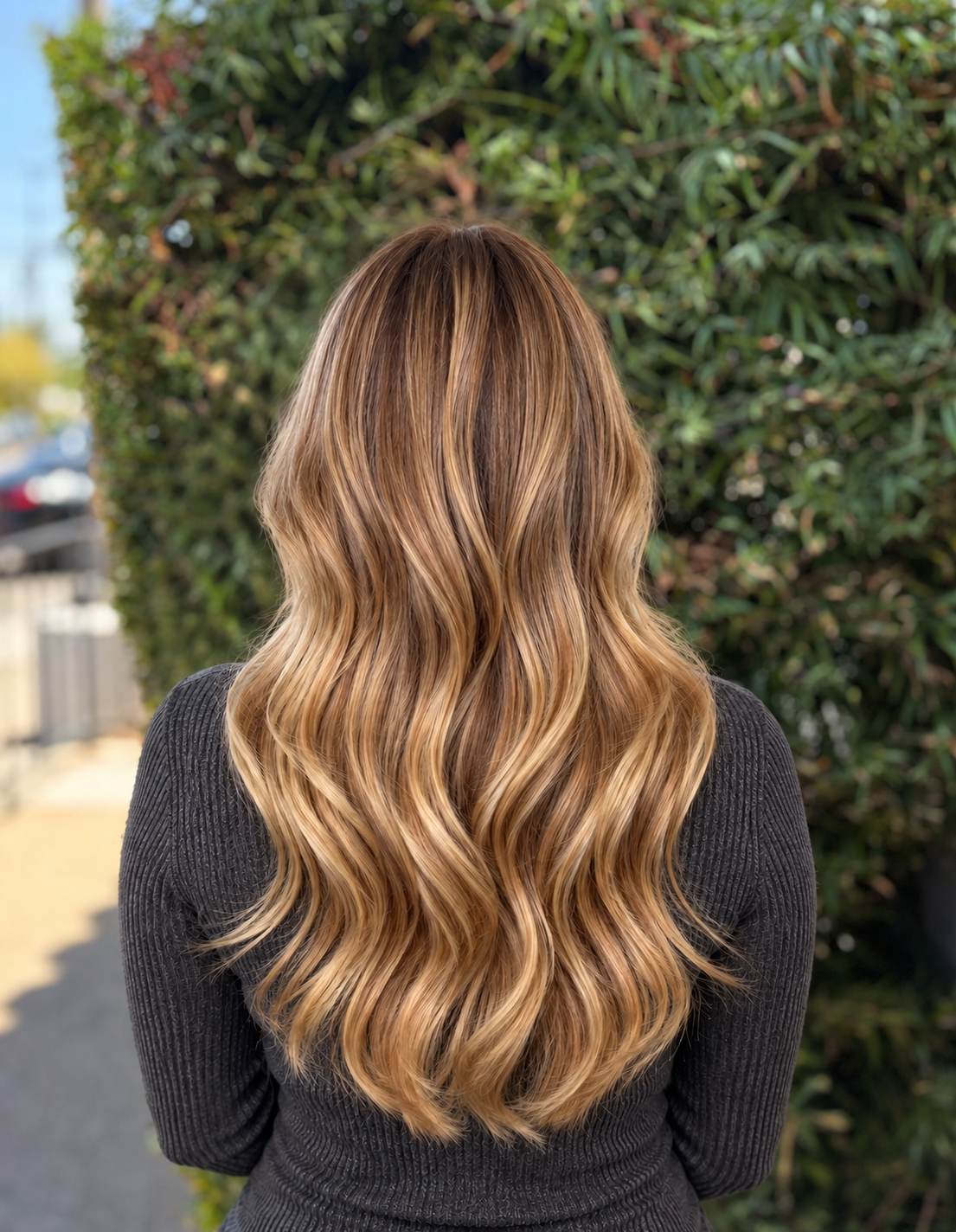
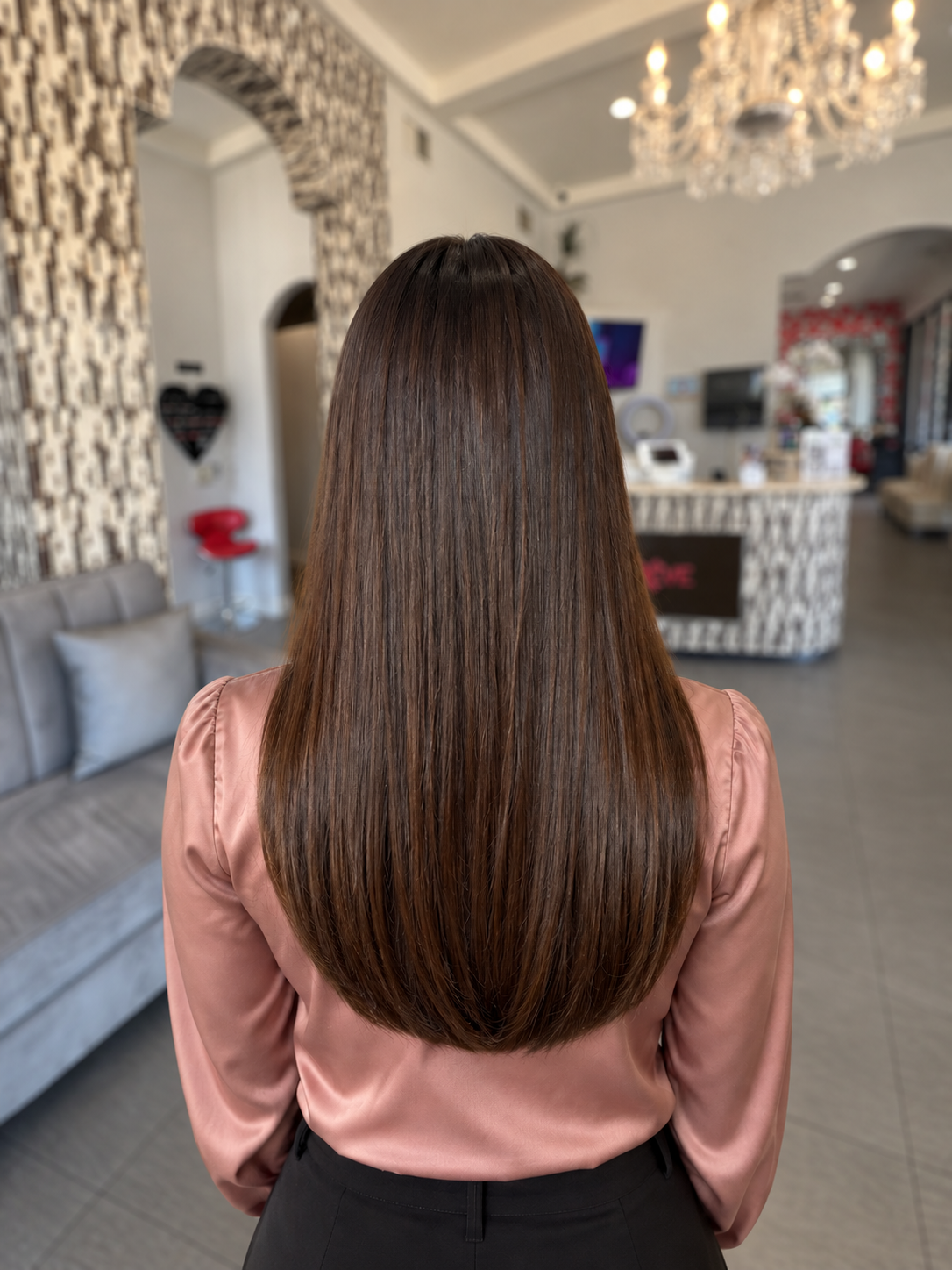
A good blowout gives your hair shape, movement, and a finished look—from sleek, straight lengths to bouncy layers or soft waves. You can absolutely blow-dry your hair at home. With the right technique and practice, it can be a convenient part of your routine.
A salon blowout can often deliver a more polished finish with less time spent actively styling, especially if you struggle with the back of your hair, frizz, or keeping your volume from falling flat. A stylist combines sectioning, brush control, airflow, and products to suit your hair.
Blowouts are also useful beyond special occasions. Some people enjoy a weekly blow-dry appointment to make their at-home upkeep easier, starting with a professionally finished style and refreshing it as needed between washes.
Here’s how to choose your look, improve your home routine, and decide which salon styling service to book.
What Is a Blowout?
A blowout is a temporary styling service that uses a blow-dryer and brushes to shape your hair as it dries. A salon appointment commonly includes shampooing, conditioning, and styling, although you should confirm what your booking includes.
The finish might be straight and smooth, full and rounded, or softly waved. Some looks also require a curling iron or flat iron for extra definition; ask whether that finishing work is included.
A regular blowout is different from a Brazilian Blowout or another chemical smoothing treatment. It does not permanently straighten your hair or change its natural texture. Washing, humidity, and moisture gradually undo the style.
Can You Do a Blowout at Home?
Yes. Home blow-drying is a practical option for everyday styling, particularly once you know which brush and products work for your hair. You control the timing and avoid the cost of a salon appointment.
The challenge is coordinating everything: holding the dryer, controlling the brush, separating sections, and reaching the back of your head. It is easy to finish the front carefully and rush through the underneath layers.
A stylist can see and reach the entire head, maintain a consistent brush angle, and work through sections systematically. This often produces a more even finish and a quicker styling process than repeatedly going over the same areas yourself.
Travel and appointment time still count, so a salon visit is not always faster door to door. The advantage is a professional finish without doing the work yourself.
Why Salon Blowouts Often Look Better
The approach suits your hair. Fine hair that falls flat needs a different routine from dense hair that takes a long time to dry. A stylist can adjust product amounts, section sizes, and brush choice.
The back gets the same attention as the front. The crown, nape, and underneath layers are easier for someone else to reach and check.
The shape is deliberate. Root lift, curved ends, and movement through the layers depend on brush placement and airflow. More heat alone does not create a better result.
There is less trial and error. If you regularly restart sections or switch between several tools, a professional may achieve your preferred finish more efficiently.
Salon styling still involves heat. Appropriate temperatures and careful technique matter wherever you style your hair.
Why Some People Book Weekly Blow-Dries
A weekly blow-dry can make hair maintenance feel more manageable. Instead of doing the full wash-and-style routine yourself every time, you can build a regular salon visit into your schedule and handle smaller touch-ups at home.
This can be especially helpful if your hair is time-consuming to style, you have difficulty reaching the back, or you enjoy having a polished look for work and everyday plans.
The benefit is convenience and a consistent starting point—not a guarantee that one blowout will stay perfect for seven days. Scalp oil, hair texture, exercise, humidity, and your usual washing schedule all affect how long it lasts. Wash whenever your hair and scalp need it.
At Le Rêve Salon and Spa, we offer blow-dry packages for guests who want to make professional styling part of their routine. Explore our blow-dry packages and current options. Check the package details for included services, terms, and any styling add-ons before purchasing.
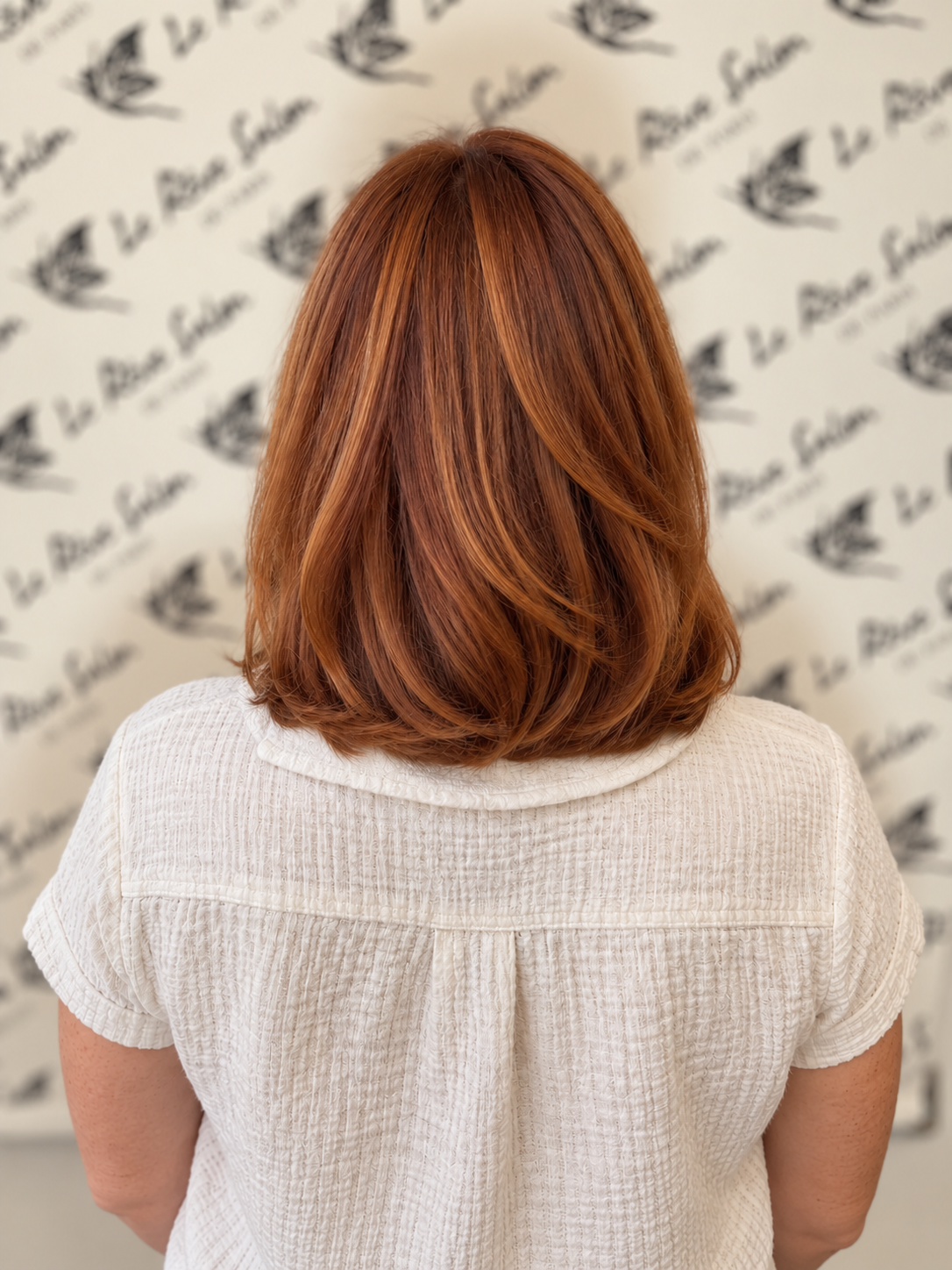
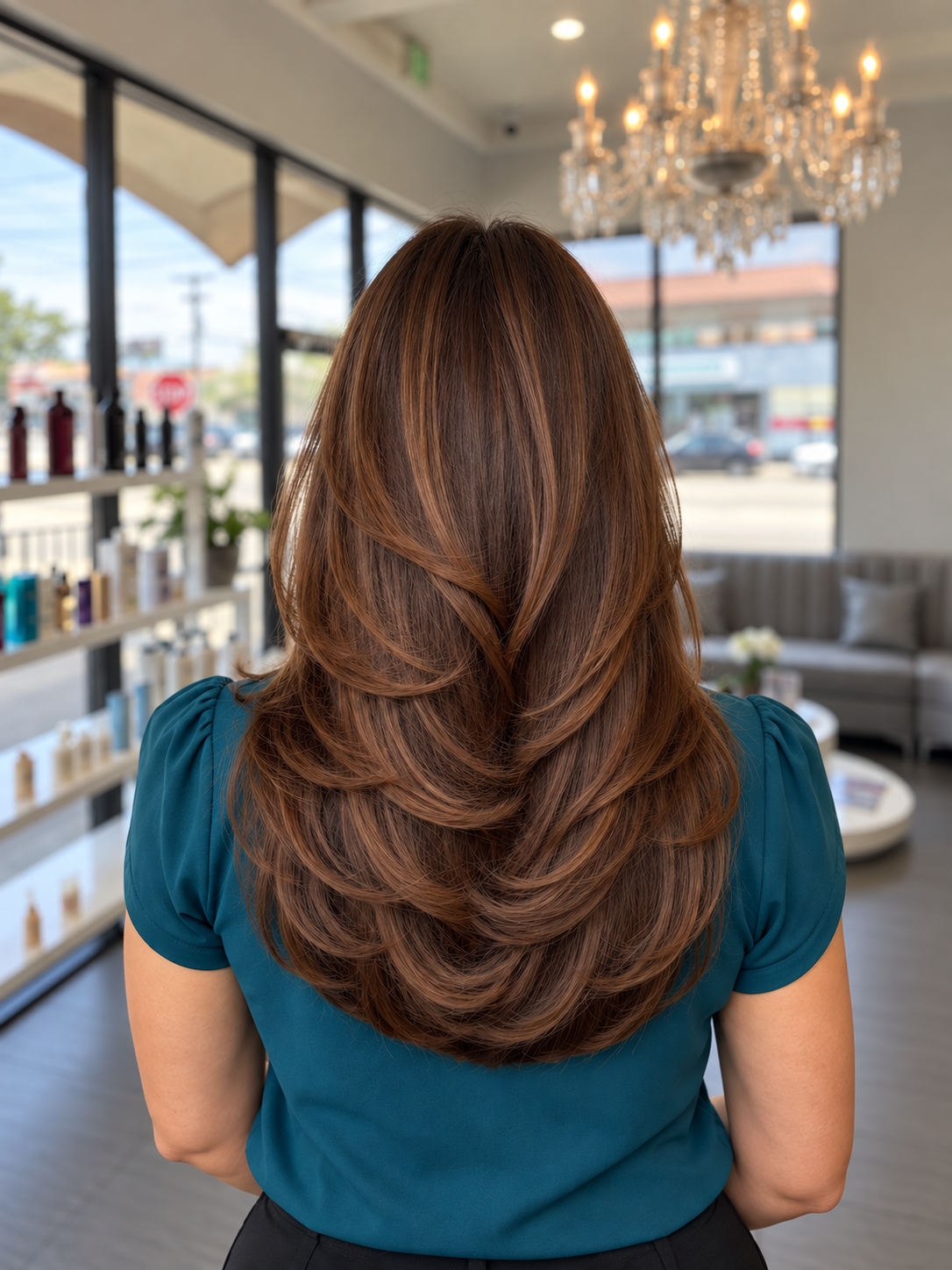
Four Blowout Looks to Consider
Sleek and Straight
A sleek blowout creates smooth, flowing lengths with straighter or gently curved ends. It is a good choice when you want your haircut’s outline to stand out.
Tell your stylist whether you prefer a flatter finish or some lift at the roots. Straight hair can still have body and movement.
Bouncy Volume
A voluminous blowout emphasizes lift, rounded movement, and fuller-looking layers.
Explain where you want the volume: at the crown, around the face, or through the ends. Fine hair may need a lighter product approach so the finish does not feel weighed down.
Soft Waves
Soft waves create movement without a tightly curled appearance. They can feel relaxed or more dressed up depending on the definition.
Bring a reference photo and explain whether you want loose bends or structured waves. Some finishes require an additional hot tool after the blow-dry.
A Rounded Bob or Shoulder-Length Blowout
Shorter hair benefits from professional styling too. A rounded finish can emphasize a bob’s shape, while softly bent ends add movement to a shoulder-length cut.
Discuss your part and whether you prefer the ends tucked under, flicked outward, or straighter. Small changes can give the same haircut a different feel.
Blowout, Updo, or Half-Up, Half-Down: What’s the Difference?
These styles involve different finishing techniques, so choosing the right service matters when booking.
A Blowout: Hair Worn Loose
A blowout focuses on drying and shaping the hair, usually leaving it down. The result depends on smoothness, volume, movement, and how the ends fall.
Choose a blowout when you want your hair loose and touchable, whether for everyday wear, dinner, a meeting, or an event.
An Updo: Hair Gathered and Secured
An updo gathers most or all of the hair into a secured arrangement, such as a bun, chignon, twist, or pinned style. Some pieces may remain loose around the face.
The stylist has to create a shape, balance it from different angles, and secure it with pins or other supports. Hair may first need drying, curling, or texturizing to prepare it.
Updos can work well when you want hair off your neck, want to show a neckline or earrings, or prefer a secured style for dancing and a longer event. They can be sleek, relaxed, or romantic—not just formal.
Half-Up, Half-Down: Pinned Detail With Loose Length
A half-up style secures the upper or side sections while leaving the remaining lengths loose. It combines the movement of wearing your hair down with more control around the face.
Options include simple twists, braids, crown volume, or pinned sections over soft waves. It is useful when you want your length visible but do not want to keep pushing the front pieces back.
Because it involves section placement and secure pinning, a half-up style may need a different appointment from a standard blowout. “Only half up” does not necessarily mean half the work.
A blowout can be the preparation for an updo or half-up style, but it does not automatically include that styling. Share a photo when booking and confirm the service, time, price, and preparation instructions. Ask whether to arrive with freshly washed hair or clean, dry hair; do not assume an updo requires dirty hair.
How to Improve Your Blow-Dry at Home
A dryer with a concentrator nozzle, a suitable brush, sectioning clips, and a heat-protection product are useful starting tools.
Remove excess water gently. Blot or wrap your hair with a towel or T-shirt instead of rubbing aggressively.
Detangle carefully. Work from the ends upward. Curly and tightly textured hair may need detangling while damp and conditioned.
Apply heat protection as directed. Distribute it evenly without overloading the hair.
Work in manageable sections. Clip unworked hair away so you can tell what is finished.
Direct the airflow. Aim the nozzle along the section, generally from roots toward ends. Keep the dryer moving and avoid direct contact with the hair.
Use controlled brush tension. If a section catches or pulls, release it rather than forcing the brush through.
Let the finished section cool. Avoid immediately flattening it with your hands or tying it up.
The American Academy of Dermatology recommends limiting heat styling, using low or medium heat, and applying heat protection. Read its healthy-hair guidance.
Different textures need different approaches. Some hair is easier to shape after partial drying; curlier textures may need styling to begin while sections are more damp. Ask your stylist to demonstrate what works for you.
Common Blow-Drying Problems
Flat roots: Try lighter products near the scalp and smaller sections at the crown. Let the lifted shape cool before disturbing it.
Damp underneath layers: Divide dense hair into more sections and check the nape before finishing.
Rough-looking ends: Avoid repeatedly heating the ends while waiting for the roots to dry. A blowout can smooth their appearance, but it cannot repair split ends.
Heavy or greasy hair: Reduce the amount of finishing product, especially near the roots.
A brush that keeps getting stuck: Use smaller sections and avoid winding too much hair around the barrel. A different brush size or shape may be easier to control.
Making Your Blowout Easier to Maintain
A blowout may look good for several days, but the finish changes as you sleep, exercise, and go about your routine.
Use a shower cap to protect it from moisture, avoid unnecessary touching, and choose loose ties that do not leave strong dents. Ask your stylist how to arrange your particular style at night without flattening the roots or disrupting the shape.
If dry shampoo suits your scalp, use a small amount according to its directions when roots become oily. It can refresh appearance but does not replace washing.
Touch up only the sections that need attention instead of reheating your whole head each morning. A weekly salon appointment can simplify your routine, but you should still wash between visits whenever needed.
Choosing the Right Appointment at Le Rêve Salon
For smoothness, volume, or loose movement, book a blowout and describe your preferred finish. For pinned hair, braids, an updo, or a half-up look, explain the full style before reserving your appointment so enough time can be allowed.
Bring a reference photo and mention your hair length, density, extensions, recent chemical services, and any styling challenges. If you are preparing for an event, share when you need to be ready.
Explore hair styling at Le Rêve Salon and Spa in Granada Hills, or view our blow-dry packages to make regular styling part of your routine.